
Digital Papers, Journals & Creative Design
Textures That Bring Screens to Life
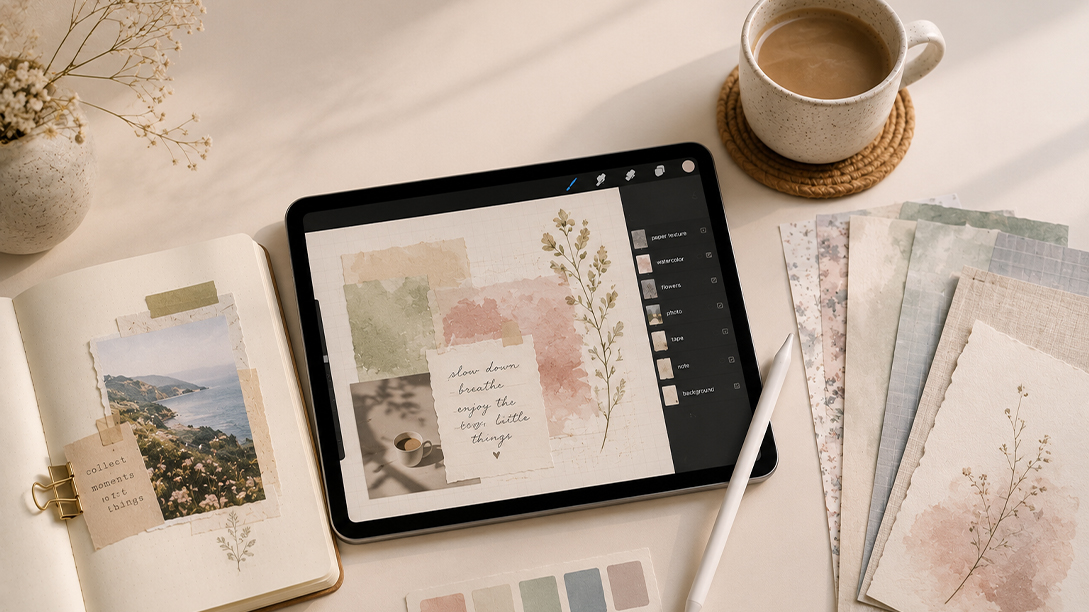
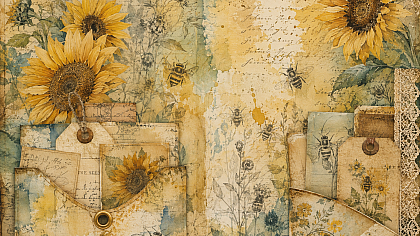
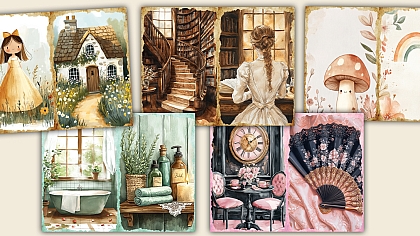
A blank screen can sometimes feel too clean, too perfect. Designers often look for texture, the little imperfections that make something feel real and full of character. That’s where digital papers come in. A soft watercolor wash, wrinkled kraft paper, or subtle linen texture can completely change the mood of a design. Suddenly, the screen feels less cold and more handmade, even though the paper only exists digitally.
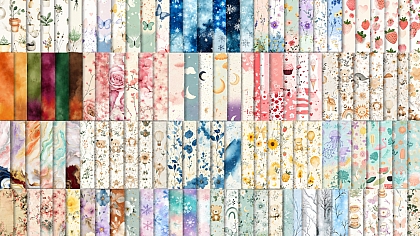
There’s something satisfying about browsing through a collection of digital papers, each carrying its own atmosphere. Some work beautifully behind typography, while others become the foundation for collages and layered artwork. Their biggest strength is the balance they create between traditional warmth and modern convenience. You get the beauty of physical materials without stacks of wasted paper.
A Journal Without Limits
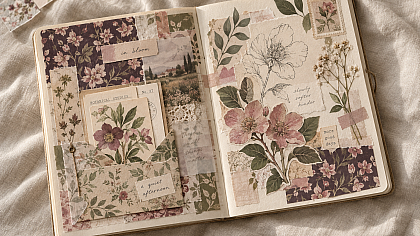
Traditional journals have their charm, thick pages, stitched covers, and the feeling of flipping through something personal. Digital journals offer a different kind of freedom. They never run out of pages, and they can grow endlessly alongside your ideas.
One day a digital journal might be a sketchbook. The next day it becomes a planner filled with organized lists and highlighted notes. Sometimes it turns into a mood board, a visual diary, or a space for quick color experiments.
Digital journaling is not about replacing pen and paper. It’s about opening new possibilities. Photos, sketches, calendars, and notes can all live together in one place. Rearranging ideas takes seconds instead of hours. The journal becomes less about staying organized and more about building a creative space that feels alive.
Design Tools Made for Play
Working with digital papers and journals feels a lot like playing with building blocks. There’s no pressure to get everything right the first time. Layers can be moved, hidden, blended, or completely reworked without wasting materials.
That freedom encourages experimentation, and experimentation is where great ideas begin. A marble texture might unexpectedly become the background for a typography piece. A journal page could evolve into a poster concept. Nothing feels wasted because digital design gives you room to explore without fear of mistakes.
When Handmade and Digital Come Together
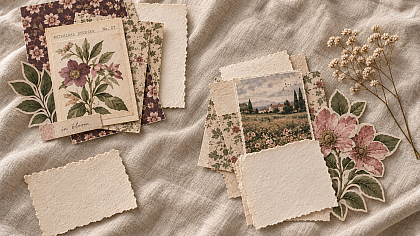
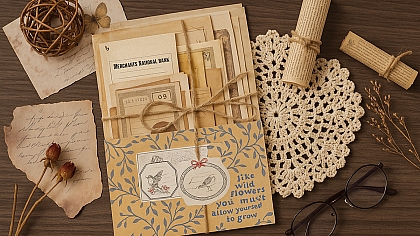
The most interesting designs often happen when digital work meets handmade elements. A quick doodle can be scanned and layered onto textured paper. Torn notebook pages, fabric scraps, pressed flowers, or handwritten notes can all become part of a digital composition.
These details bring personality into the work. They carry traces of the physical world into digital spaces, creating something that feels personal and authentic.
Designers often talk about finding their “voice,” and this mix of handmade and digital is where that voice starts to appear. A design no longer feels overly polished or sterile. Instead, it feels human.
The Everyday Designer’s Toolkit
Getting started with digital papers and journals does not require an expensive setup. A few simple tools are enough:
- A design app like Procreate, Photoshop, Canva, or Affinity Designer
- A collection of textures that inspire you, such as watercolor, linen, grids, or vintage papers
- Brush sets or stamps for adding personal details
- A digital journal template if you like structure
- A folder filled with your own sketches, handwriting, scans, or photos
The goal is not to own every tool available. The best setup is usually the one that feels natural and easy to return to every day.
Design as a Daily Ritual
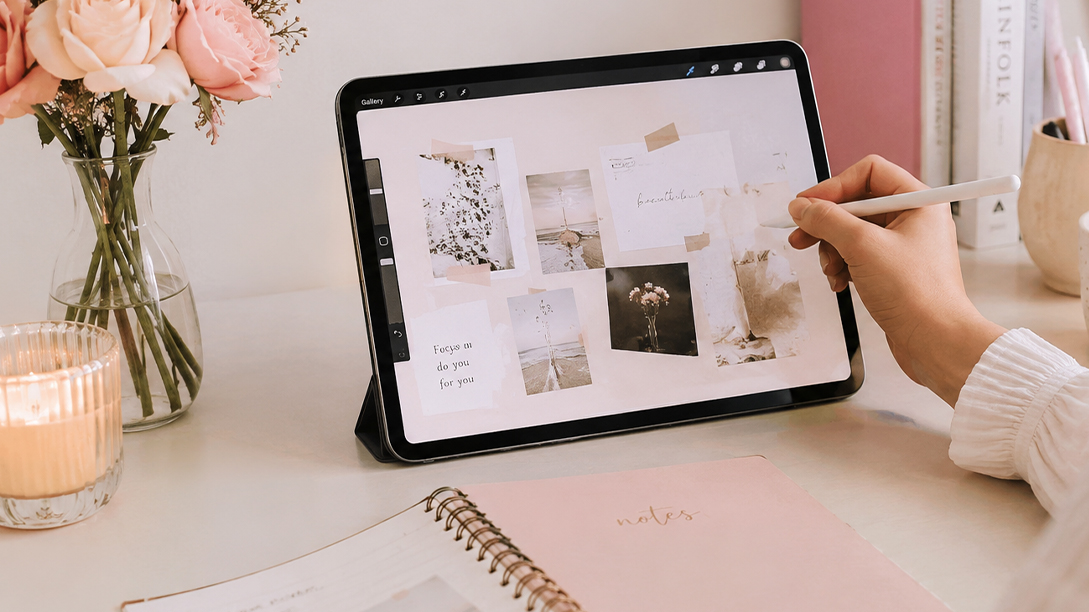
Design and journaling are often treated as productivity tools, but they can also become calming daily rituals. Spending a few quiet minutes layering textures, doodling across a page, or experimenting with shapes can feel incredibly grounding.
The screen stops being a workspace and starts feeling like a creative corner where there are no deadlines or expectations.
For many people, this process becomes a form of mindfulness. The focus shifts away from perfection and toward enjoyment. Over time, these digital pages become a visual record of thoughts, moods, and creative growth.
Sharing Your Work Without Losing Yourself
With endless templates and trends online, it’s easy for digital work to start looking identical. The beauty of digital journals and papers is that they can still feel deeply personal.
Sometimes the imperfections are what make a design memorable. Crooked handwriting, rough sketches, uneven textures, and messy layers remind people there is a real person behind the screen.
Mixing digital and physical elements also helps create authenticity. A polished digital layout beside a messy sketchbook photo tells a much richer story than perfection alone.
Originality is not about inventing something completely new every time. It’s about leaving your own fingerprint on the work.
An Open Canvas That Never Stops Growing
Digital papers, journals, and creative design together create an endless canvas. There are no limits from page counts, materials, or space. Projects can evolve slowly over time, moving from playful experiments to polished pieces.
What makes this world special is its flexibility. A file can always be reopened, adjusted, and expanded years later. Ideas continue to grow layer by layer.
The canvas never truly closes, and neither does the creative journey.
LEAVE A COMMENT
Recent Posts


0.0727